7 Expert Tips to Maximize Budget with Best Shuttering Plywood Manufacturing Company in India

In the vast world of construction, how often do we come across the dilemma of ensuring quality while sticking to a budget? If you’re looking to make cost-effective plywood purchasing decisions, you’ve landed at the right place. Let’s embark on a journey of understanding the nuances of bulk buying, sharpening our negotiating skills, and realizing the long-term advantages of investing in top-notch plywood.

In the vast world of construction, how often do we come across the dilemma of ensuring quality while sticking to a budget? If you’re looking to make cost-effective plywood purchasing decisions, you’ve landed at the right place. Let’s embark on a journey of understanding the nuances of bulk buying, sharpening our negotiating skills, and realizing the long-term advantages of investing in top-notch plywood.

1. The Magic of Bulk Buying: Why More Means Less? India’s construction boom has led to an ever-growing demand for plywood. But, did you know that buying in bulk can lead to massive savings? Statistically, buying plywood in larger quantities can reduce costs by up to 20%. But remember, it’s not just about buying more; it’s about buying smart.

2. A Personal Tale of Quality Over Quantity: A few years ago, I was overseeing a construction project in Bangalore. I was tempted to cut corners and opt for cheaper plywood options. Instead, I collaborated with one of the best shuttering plywood manufacturing companies in India. The results? The initial investment was slightly higher, but the durability and premium finish made it worth every penny.

3. Harness the Power of Negotiation: Negotiating can feel like an art, especially in India, where every rupee counts. When purchasing plywood in bulk, consider:

  • Doing thorough market research.
  • Comparing prices and quality.
  • Leveraging long-term relationships with suppliers.

Did you ever haggle at a local market and felt the rush when you got a better deal? Imagine that, but on a larger scale!

4. Long-term Savings: An Investment You Won’t Regret: Consider this: would you rather invest in premium plywood and enjoy its benefits for years or settle for something mediocre and incur maintenance and replacement costs? Studies have shown that investing in high-quality materials can save up to 30% in long-term expenses.

5. India’s Plywood Market: Navigating Through the Maze: The Indian plywood market is diverse and vast. What’s the secret to navigating it successfully? Building relationships and understanding regional differences. North India might offer different grades of plywood compared to the South. Tailoring your purchases based on the region can lead to cost-effectiveness.

6. The Allure of Storytelling in Plywood: Think of plywood as a canvas, each sheet with its unique story. Just like the diverse cultures in India, each sheet of plywood carries its grain pattern, texture, and finish. When you invest in the best, you’re not just buying a product; you’re investing in its story.

7. Questions to Ponder:

  • Are you maximizing your budget by leveraging bulk purchases?
  • Is your current plywood supplier providing the best quality for the price?

In conclusion, the journey to cost-effective plywood purchasing decisions in India is layered, much like the sheets of plywood we’re discussing. It requires a mix of market knowledge, negotiation skills, and an unwavering commitment to quality. So, as you ponder over your next purchase, remember the insights shared here and make an informed choice.

Do you have any tips or experiences to share about buying plywood in India? Drop your comments below and let’s create a community of informed buyers!

Discovering the Most Employee Friendly Plywood Manufacturing Unit in India: Safety, Standards, and Insights

Walking through one of the Most Employee Friendly Plywood Manufacturing Unit in India, I couldn’t help but be amazed. There’s a rhythm, a method to the madness, and a surprising dedication to safety. But why is safety so significant in this industry?

Why Safety in Plywood Manufacturing?

It’s no secret that in the bustling environment of plywood manufacturing, risks are everywhere. From the machines that hum constantly, spewing out perfectly finished sheets of plywood, to the workers who maneuver around, ensuring everything runs like clockwork.

Did you know that in 2021, India produced approximately 3.8 million cubic meters of plywood? Imagine the number of hours, hands, and machines involved in this Herculean task. With such high numbers, can you guess the importance of safety measures?

Plywood Manufacturing Safety Standards: What’s the Big Deal?

  1. Emission Standards: Ever passed by a factory and wondered about the fumes? India has set stringent emission standards for factories. The best part? The top-tier units not only meet but exceed these standards.
  2. Fire Safety Protocols: Plywood, as you may have cleverly deduced, is combustible. Fire safety, hence, becomes paramount. Advanced fire suppression systems, regular drills, and extensive training have become common practices.
  3. Equipment Safety: Machines are cool, aren’t they? Until they aren’t. The leading manufacturing units in India often opt for ISO 45001 certification, ensuring their machinery adheres to the highest safety standards.
  4. Employee Well-being Initiatives: Beyond physical safety, mental well-being is also a priority. Periodic training sessions, workshops, and even meditation sessions are organized. Who would’ve thought plywood units and Zen could go hand in hand?
  5. Quality Control and Inspection: Regular checks ensure the plywood’s quality is top-notch. But did you also know these checks ascertain the safety protocols are consistently maintained?

Personal Experiences and Musings

Visiting a plywood factory is not something I do every day. But when I did, the sheer precision and dedication to safety blew me away. The camaraderie among employees, the laughter shared during breaks, and the seamless coordination during working hours reflect a well-oiled machine that respects its cogwheels – the employees.

Let’s Add a Dash of Humour, Shall We?

Remember when I said machines are cool? They are, but the first time I tried understanding their functioning, it felt like decoding an alien language. Ever tried explaining a smartphone to your grandmother? Yeah, that level of complicated!

What Do You Think?

How important is safety to you when considering products like plywood? Are you more inclined to choose brands that prioritize employee well-being? And, out of sheer curiosity, have any of you tried explaining complex machines to your elders? How did that go?

Discover the Best Flush Door and Block Board Manufacturing Company in India

The vast and diverse climatic conditions of India demand a certain precision when choosing construction materials. Ever wondered how the best flush door and block board manufacturing company in India discerns the right grade of plywood?

1. The ABCs of Plywood

Many of us think of plywood as just a sheet of wood. However, the intricacies run deep. Like the delicious layers in our beloved biryanis, plywood too is layered, each adding strength and flexibility. The process involves gluing these layers (plies) together to form a sturdy board.

2. Unveiling the Grades of Plywood

Plywood isn’t one-size-fits-all. Given India’s unique weather patterns, understanding these grades is essential. Let’s explore them:

Commercial MR Grade Plywood

Your go-to for most interior furniture. While ‘MR’ stands for Moisture Resistant, it’s not entirely waterproof. It’s similar to that everyday shirt you wear – reliable but not for a heavy downpour.

BWR Grade Plywood

Boiling Water Resistant plywood is a step up. Perfect for damp areas like kitchens, it’s like that trusty raincoat, guarding against moisture. It’s a popular choice for surfaces that often encounter water.

Marine Plywood

Not confined to shipbuilding, this superhero plywood withstands prolonged water exposure. It’s akin to the umbrella that survives the fiercest monsoons.

Fire Retardant Plywood

Given the spikes in summer temperatures and electrical mishaps, safety is paramount. This plywood is chemically treated to resist ignition, providing an added layer of security.

Flexible Plywood

Creativity knows no bounds, and neither does this plywood. It bends to whimsical designs, enabling intricate craftsmanship, echoing the flexibility of a gymnast.

Structural Plywood

A load-bearing star! Suited for foundational purposes, like beams and frames, it’s the backbone in the construction world.

Shuttering Plywood

Widely used in moulds for concrete work, it’s indispensable for builders. Think of it as the mould for our favourite jalebis – crucial for the perfect shape!

3. The Significance of Grade

India’s topography ranges from Himalayan cold to coastal humidity. These extremities make it crucial to match the plywood to its environment. Remember, the wrong grade can lead to warp, rot, or untimely wear.

4. Decision Time

Consider the purpose of the plywood. If you’re building a sea-facing deck in Mumbai, marine plywood is your friend. Crafting a vintage bookshelf? Commercial MR grade has your back. It’s all about location and function.

5. Gleaning from Errors

During my recent home makeover, I misjudged my bathroom’s need and used MR plywood. Soon, it resembled a prop from a haunted house movie! Research, ask, and choose wisely.

6. Plywood Humour

Heard about the plywood comedian? He always “veneered” into humour! But seriously, knowing your plywood grades brings a certain empowerment, combined with a pinch of fun.

7. Over to You

Got a plywood blunder or a win to share? Spill the beans! Let’s exchange stories and perhaps a chuckle or two.


In the grand scheme of home construction, every choice counts, especially when it concerns the fabric of our homes. Plywood, often overlooked, can make or break a design. So, on your next purchase, be informed, be discerning, and choose what’s best for your abode. And remember, just as in our diverse country, every ply has its unique story and strength!

Discover the Top 5 Best Co Engineered Plywood Manufacturing Factories in India

Namaste readers! Are you curious about the buzzing world of sustainable construction? Ever wondered why your favorite construction brands are leaning towards eco-friendly plywood? Let’s embark on this timber-ific journey and find out.

1. The Environmental Consequences of Plywood Manufacturing

Did you know that India ranks among the top five plywood manufacturers globally? But, with great power comes great responsibility. Traditional plywood production, as efficient as it was, brought along a significant carbon footprint. Factories, in their pursuit of profits, often overlooked the environment. Remember that time we had smog instead of the usual festive fog during Diwali? Yep, unchecked industrial processes played a part.

2. Why Sustainable Sourcing Matters?

It’s no secret. Deforestation is a primary environmental concern in India. Every time we choose non-sustainably sourced plywood, we support this alarming trend. In contrast, eco-friendly plywood ensures that for every tree felled, another one takes its place. Sustainable isn’t just a fancy term; it’s a commitment. And who among us doesn’t dream of lush green forests in our own backyard?

3. A Peek into the Best Co Engineered Plywood Manufacturing Factories in India

The movement towards sustainable construction is growing, and leading the charge are our very own Best Co Engineered Plywood Manufacturing factories. They’re not just plywood factories; they’re the guardians of our green future. The latest statistics reveal that eco-friendly plywood from these factories reduces carbon emissions by a whopping 40%! Imagine the difference we can make with such choices!

4. Eco-Friendly Plywood: What’s in It for Mother Earth?

Aside from the notable reduction in carbon footprint, sustainable plywood also aids in:

  • Reducing soil erosion: Forests remain intact, and so does the soil.
  • Supporting biodiversity: An eco-system untouched is a home to countless species.
  • Promoting cleaner air: Trees absorb pollutants, so the more, the merrier!

5. Building a Positive Brand Image with Sustainable Choices

Brands that embrace sustainability are like that friend who always remembers your birthday – they’re keepers. Consumers are becoming environmentally conscious, and the brands adhering to green practices are witnessing a 30% rise in their customer base. Impressive, right?

6. A Personal Anecdote: My Journey with Eco-Friendly Plywood

I remember visiting my uncle’s plywood factory as a child – the pungent smell, the sawdust in the air, and the never-ending stacks of wood. But on my recent visit, something had changed. The factory had transitioned to eco-friendly plywood. The change wasn’t just physical – it was ideological. And trust me, the transformation felt like switching from spicy pani puri water to a refreshing coconut water on a scorching summer day!

7. Why Should YOU Make the Switch?

Well, if the myriad environmental and branding benefits didn’t convince you, how about the personal satisfaction of doing right by Mother Earth? Plus, who doesn’t love bragging rights? Next time you’re at a gathering, won’t it be fun to casually mention how you’re contributing to a greener India?

In Conclusion…

So, what’s your take on sustainable construction and eco-friendly plywood? Ready to make a change? Or perhaps you have some insights to share from your own experiences? Drop your thoughts below and let’s get this green conversation rolling!

Remember, a sustainable future isn’t just a dream; it’s a choice we make. And every sheet of eco-friendly plywood gets us one step closer to that dream.

The Ultimate 7-Step Guide to Plywood Grades and Quality for Indian Homes

Ever wondered why the best R & D based plywood manufacturing units in India stress so much on grades and quality? Plywood, a quintessential element in Indian homes, comes in a myriad of grades. But why does this matter? And how can you ensure you’re picking the right one? Join me on a journey to decode the complexities of plywood grades suitable for the Indian climate.

1. Why Plywood Grades Matter: A Personal Glimpse

When I renovated my ancestral home in Kerala, the choice of plywood was crucial. Kerala’s humid weather can be ruthless on wood. I realized it’s not just about aesthetics; it’s about longevity and durability. Can you imagine investing time and resources only to see them erode in a few years?

2. Plywood 101: Understanding the Basics

Did you know there are over five primary grades of plywood available in the Indian market? Each tailored to suit various needs. But what sets them apart?

3. Commercial MR Grade: The All-Rounder

Popularly known as Moisture Resistant, this plywood is best suited for interior applications. Given its cost-effectiveness, it’s a go-to for furniture that isn’t exposed to high humidity. Remember, it’s moisture-resistant, not waterproof!

4. BWR Grade: Battle the Elements

Boiling Water Resistant grade is perfect for places that experience fluctuating weather conditions. According to a 2019 survey, 68% of Indian homeowners residing in coastal areas prefer BWR for its resilience.

5. Marine Grade: The Indomitable Force

Specifically designed for areas exposed to high moisture and humidity, Marine Grade is the top choice for applications like kitchen cabinets. Have you ever witnessed a kitchen cabinet sagging due to moisture? This is the remedy.

6. Flexible Grade: Curve Your Designs

This is where innovation meets tradition. Suitable for intricate designs and decorations, Flexible Grade plywood offers you the freedom to think beyond the conventional.

7. Fire Retardant Grade: Safety First

With urban homes becoming more compact, safety is paramount. The Fire Retardant Grade plywood not only offers resistance against fire but also ensures peace of mind.

Factors to Keep in Mind: India’s Climate Game-Changer

India’s climate palette ranges from the icy winds of the Himalayas to the tropical monsoons of the South. Such diversity demands specificity. Did you know that some regions in India witness a humidity swing of up to 60% across seasons? Now, imagine the stress on the wood in your home!

My Two Cents on the Best R & D Based Plywood Manufacturing Units in India

During my home renovation, research led me to some of the best R & D based plywood manufacturing units in India. Their commitment to quality and innovation was palpable. It wasn’t just about buying plywood; it was about buying into a legacy of trust and reliability.

Final Thoughts: Your Home, Your Choice

While grades play a pivotal role, it’s essential to understand the unique needs of your space. The next time you’re on the hunt for plywood, I hope this guide proves handy. Have any of you used any of these grades in your homes? How was your experience? Share in the comments!

The Ultimate Guide to Choosing the Right Plywood for Your Project

This blog provides a comprehensive guide on selecting plywood for your project, discussing types, grades, thickness, safety, sustainability, and buying tips, ensuring your choice aligns perfectly with your project’s needs.

I. Introduction

Hey there, and welcome! In the world of DIY, construction, and home improvement, one thing is key: picking the right plywood for your project. It may seem simple, but with so many options available, it can be a challenge to know which is the right fit. But fret not! This blog post is here to guide you through the vast world of plywood, ensuring you find the perfect match for your needs.

II. What is Plywood?

So, first thing’s first: what exactly is plywood? Plywood is a unique type of wooden material made from thin layers or “plies” of wood veneer. These layers are glued together, with each ply laid perpendicular to the one below it. This clever design trick gives plywood its strength and resistance to warping.

But plywood hasn’t always been around. It first made its appearance in the world back in the 19th century and quickly became popular due to its versatility and reliability. Now, it’s almost impossible to find a construction or DIY project that doesn’t involve plywood in one way or another.

Here at our manufacturing plant, we’re proud to contribute to this tradition by producing top-quality plywood. From sourcing raw materials to the final product, every step of our process is designed to ensure you get the best plywood for your projects.

III. Types of Plywood

Like any versatile material, plywood comes in a variety of types, each with its strengths and unique characteristics.

  • Hardwood Plywood: As the name suggests, this type of plywood is made from hardwood species like oak, maple, and mahogany. It’s renowned for its strength and resistance, making it an ideal choice for projects that require high durability like flooring and heavy-duty furniture.
  • Softwood Plywood: Made from softwood species like pine, cedar, and fir, softwood plywood might not be as robust as hardwood, but it still has its place. Its lighter weight and lower cost make it a popular choice for construction projects, especially for temporary structures.
  • Marine Plywood: If your project will face the elements, marine plywood is the way to go. This water-resistant variety of plywood is designed to resist rot, making it ideal for outdoor projects or areas with high moisture levels.
  • Decorative Plywood (Veneer Ply): When appearance is a primary concern, decorative plywood comes into play. Made with a thin layer of high-quality wood glued on top, this plywood type is all about aesthetics. It’s perfect for projects where the wood will be visible and needs to look good, like in cabinets or other pieces of furniture.

IV. Understanding Plywood Grades

When it comes to quality, not all plywood is created equal. That’s where the grading system comes in. Plywood is graded from A to D, with A being the highest quality. The grade can impact both the performance and appearance of the plywood, so it’s important to keep this in mind while making your choice.

The ‘A’ grade signifies plywood that’s practically free of blemishes with a smooth surface, perfect for projects where appearance is paramount. ‘B’ grade plywood might have minor imperfections but is still a good quality choice. As we move down to ‘C’ and ‘D,’ expect more knots and visible defects. These grades are more suited to projects where strength is more important than aesthetics.

V. Choosing the Right Plywood Thickness

One key aspect of plywood that often gets overlooked is its thickness. Like the type and grade, the thickness of your plywood can have a significant impact on your project. Thickness ranges from very thin—about 1/8 inch—to very thick—more than 1 inch.

Why does thickness matter? Well, it’s all about strength and weight. A thicker piece of plywood can carry more weight, making it a better choice for projects that require strong support, such as shelving or flooring. However, a thicker plywood is also heavier, which might make it less ideal for projects that need to be moved around frequently, like mobile furniture.

On the other hand, thinner plywood is lighter and more flexible, but it also can’t bear as much weight. This type of plywood is often used for smaller, more intricate projects like crafting or making drawer bottoms.

Remember, it’s all about finding the balance that suits your specific project’s needs best.

VI. Outdoor vs. Indoor Plywood

Now that you’ve got a grasp on the types, grades, and thicknesses of plywood, it’s time to consider another factor: where your project will be located. Believe it or not, the location can greatly influence the type of plywood you should choose.

For outdoor projects, you’ll want to pick a water-resistant plywood. This is where marine plywood shines. Thanks to its unique manufacturing process, marine plywood can resist water and rot, making it the ideal choice for outdoor structures, decks, or any project exposed to the elements.

On the other hand, indoor projects usually don’t have to face harsh weather conditions, so water resistance isn’t a priority. Instead, focus more on the plywood’s appearance and smoothness. Decorative plywood can be a fantastic choice for projects like cabinetry, panelling, or any other indoor applications where the wood’s beauty is in the spotlight.

VII. Plywood Safety Considerations

Working with plywood, just like any other construction material, comes with certain safety considerations. Some types of plywood are treated with chemicals to enhance their resistance to fire, water, or pests. While these treatments can be beneficial for specific uses, they also mean you should handle the plywood safely.

For instance, always wear a mask when cutting treated plywood to prevent inhaling any dust that could contain chemical residues. Also, make sure to store your plywood in a safe place, out of reach of children and pets.

Besides these handling considerations, also pay attention to the safety ratings and certifications of the plywood you buy. Certifications can assure you that the product meets certain safety and quality standards, giving you peace of mind about your choice.

VIII. Sustainability in Plywood Choices

In an era of increasing environmental awareness, it’s crucial to consider the impact of our choices, including the plywood we choose. Fortunately, many plywood manufacturers, including us, are committed to sustainability.

When sourcing for plywood, consider options that are certified by bodies like the Forest Stewardship Council (FSC). These certifications ensure that the wood used in the plywood comes from responsibly managed forests.

By opting for eco-friendly plywood, you’re not just getting a quality product for your project. You’re also helping to protect our planet’s precious forests.

IX. Top Tips for Buying Plywood

With all this knowledge in your arsenal, you’re ready to go out and buy your plywood. But before you do, here are some final tips to ensure you get the best product for your needs.

When inspecting a plywood sheet, check for any signs of damage like cracks, warping, or discolouration. Also, look at the edges—the layers should be glued together firmly without any gaps.

When transporting plywood, be sure to carry it properly to prevent any damage. Smaller sheets can be carried by hand, but larger ones might require a vehicle. Either way, ensure the plywood is secured and won’t move around during transportation.

X. Conclusion

Choosing the right plywood can make or break your project. From the type and grade to the thickness and safety considerations, many factors come into play. But with this guide, we’re confident that you have the knowledge to make the best choice.

Got questions or need further advice? Don’t hesitate to reach out to us. We have a wide range of plywood products to choose from, and our team is always ready to help you find the perfect match for your project.


Why Flush Doors are the Perfect Addition to Your Modern Home?

Discover the beauty of simplicity with flush doors. Perfect for modern homes, these stylish, versatile, and durable doors are the ultimate blend of aesthetics and functionality. Elevate your home design with flush doors today!

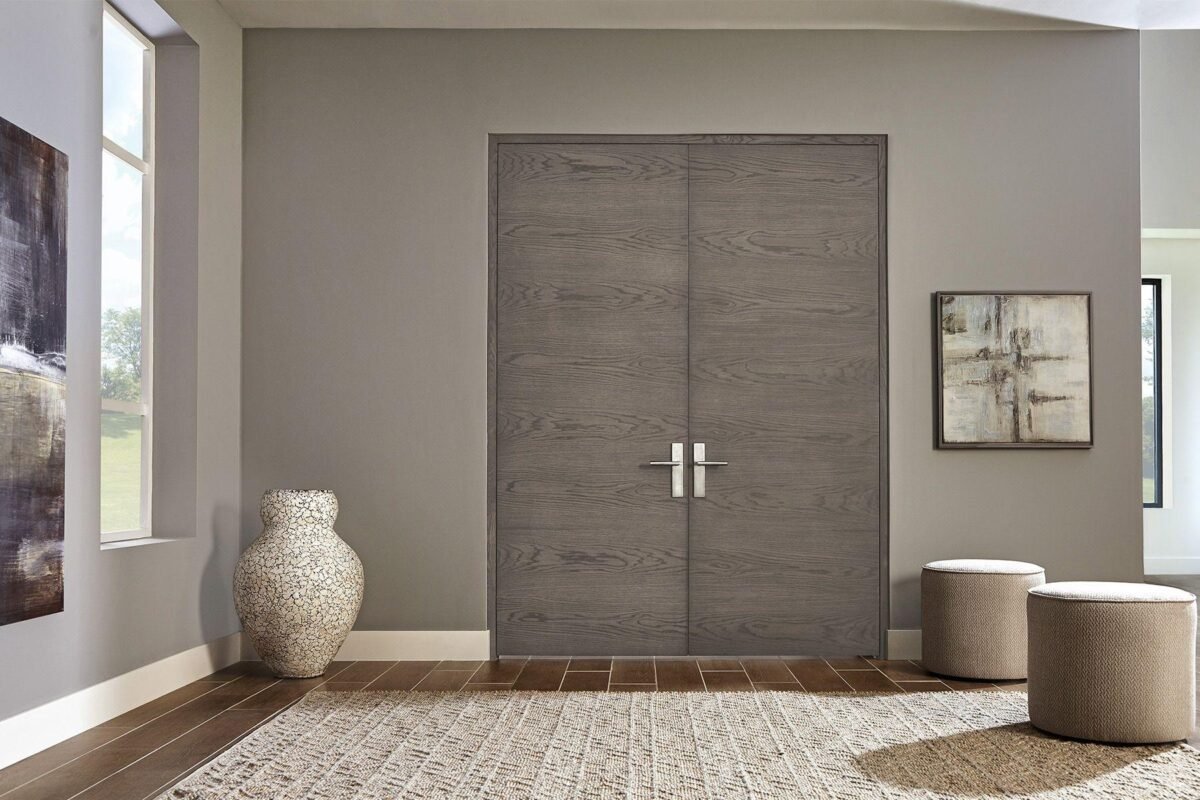
Doors, the indispensable elements of any structure, have evolved from rudimentary coverings to sophisticated, style-defining architectural components. One such modern design marvel is the flush door. Known for its clean lines, durability, and versatility, flush doors have become an emblem of modern home design. This blog post will unravel the reasons why flush doors are the ideal addition to your modern home.

II. History and Evolution of Flush Doors

From hanging animal skins in ancient times to intricately carved wooden doors in palaces, doors have traveled a long journey. Flush doors emerged in the mid-20th century, a time marked by rapid innovation in design and materials. Crafted with a flat surface devoid of intricate designs, they soon found favor in modern architectural styles, thanks to their minimalistic appeal.

III. Understanding Flush Doors

Flush doors are characterized by a flat surface without any panels or moldings. The core, often made from solid blockboard, is sandwiched between thin veneers or laminate sheets. Types of flush doors vary based on the materials used, which include wood, steel, glass, or a combination of these. Each type brings a unique set of advantages and disadvantages, with wooden flush doors being the most popular for their durability and aesthetic appeal.

IV. Why Flush Doors are Ideal for Modern Homes

The essence of modern home design lies in simplicity, functionality, and elegance. Flush doors align perfectly with these principles, making them a perfect fit. Here’s why flush doors are ideal for modern homes:

1. Simplicity and Elegance:

Flush doors, with their seamless, clean lines, contribute to the minimalistic aesthetic that defines modern homes. They effortlessly blend with various interior design styles, thanks to their simple yet sophisticated look.

2. Space Efficiency:

Flush doors, unlike traditional ones, don’t intrude into the living space when open. This makes them perfect for smaller, urban living spaces where every square foot counts.

3. Versatility and Customization:

Flush doors can be customized to fit any size and coated with a variety of finishes, matching the overall home decor. This ability to tailor doors opens up a world of possibilities in design and styling.

4. Durability and Maintenance:

Flush doors are built to withstand wear and tear and adverse weather conditions, making them a durable choice. They require minimal maintenance — a simple wipe down usually suffices to keep them looking new.

5. Cost-Effectiveness:

While offering a plethora of benefits, flush doors are also cost-effective compared to many traditional doors, providing a balance between price and performance.

V. Comparison with Traditional Doors

Compared to traditional paneled doors, flush doors offer a modern look and improved functionality. They don’t collect dust in corners or crevices and provide a better seal against sound and weather. Plus, flush doors have a wider scope for customization, from sizes to finishes, accommodating every home’s unique requirements.

VI. How to Choose the Right Flush Door for Your Home

Selecting the right flush door requires careful consideration. Here’s what you need to keep in mind:

Material:

The door material should suit your home’s design and practical needs. Wooden doors bring warmth and classic appeal, steel doors offer enhanced security, and glass flush doors add a contemporary touch.

Design:

Even though flush doors are known for their simplicity, they can have subtle design elements, like a different finish or embedded patterns, that can elevate your home’s aesthetics.

Size:

Ensure the door size fits the doorframe properly. Custom-made flush doors offer the advantage of being tailored to specific dimensions.

Budget:

Budget is a key consideration. Thankfully, the market offers flush doors at various price points without compromising quality or style.

VII. The Future of Flush Doors

Flush doors are set to become smarter and more energy-efficient. Smart doors with integrated security features, like biometric locks and video peepholes, are becoming more popular. Likewise, energy-efficient doors help to maintain indoor temperatures and reduce energy costs.

These innovations not only enhance the functional appeal of flush doors but also resonate with the eco-conscious, technology-embracing ethos of modern homes.

VIII. Conclusion

Doors may seem like a mundane aspect of home design, but as we’ve seen, they play a pivotal role in shaping your home’s aesthetics and functionality. Flush doors, with their simple elegance, versatility, and practicality, are truly the perfect addition to modern homes. Whether you’re renovating or building a new home, consider the compelling benefits of flush doors — they might just be the finishing touch your modern home needs.

Block Boards vs Plywood: Which One Should You Choose?

Discover the perfect material for your next project as we delve into block boards vs plywood, comparing durability, cost, flexibility, and environmental impact in this comprehensive guide. Make an informed choice today!

When it comes to selecting the right material for your construction or furniture project, the decision can make a vast difference in terms of durability, cost, aesthetics, and environmental impact. Among the myriad options available, two types of engineered woods — block boards and plywood — are frequently employed due to their versatility and relative affordability. This blog aims to dissect these two materials, compare their pros and cons, and guide you in making the right choice for your specific needs.

Understanding the Basics

Before we delve into comparisons, let’s start with a fundamental understanding of what block boards and plywood are.

Block Boards

Block board is a type of engineered wood that is made up of a core of softwood strips between two layers of wood veneers. These strips are placed edge-to-edge and are bonded together under high pressure and temperature.

Block boards are generally lighter than most other woods, making them easy to handle and work with. They also have a good resistance to warping or bending, which makes them a popular choice for long panels in furniture such as doors, tables, shelves, and partition walls.

Plywood

Plywood, another form of engineered wood, is made by gluing together multiple thin layers, or ‘plies,’ of wood. The grains of each layer are arranged at right angles to each other, a technique known as cross-graining. This method not only reduces the chances of the plywood splitting when nailed at the edges, but also improves dimensional stability and strength.

Plywood has a wide range of applications, extending beyond furniture and construction to include crafting and even boat-building, thanks to its strength and resistance to moisture and warping.

Comparison of Block Boards and Plywood

Now that we have a fundamental understanding of both materials, let’s delve into a direct comparison.

Strength and Durability

When it comes to strength, plywood generally has the upper hand. The cross-graining technique used in its manufacture lends it high tensile strength, making it capable of withstanding heavy loads. On the other hand, block boards are known for their resistance to bending or sagging, making them ideal for over-the-head applications such as in ceilings or shelves.

In terms of durability, both materials are prone to damage from prolonged exposure to moisture and pests, unless specifically treated. Plywood, however, can be more durable if it’s of a higher grade and properly maintained.

Cost-effectiveness

Choosing the most cost-effective material largely depends on your project’s specific requirements. In general, high-grade plywood tends to be more expensive than block board due to its strength and durability. However, for projects that require lightweight and long panels, such as doors and shelves, block board can be a more cost-effective option.

We’ll explore these points in more detail, along with the factors of flexibility and versatility, moisture resistance, environmental impact, and more, as we continue with this comprehensive guide to block boards and plywood. We hope that by the end of this guide, you’ll have a clear understanding of which material best suits your needs.

When it comes to selecting the right material for your construction or furniture project, the decision can make a vast difference in terms of durability, cost, aesthetics, and environmental impact. Among the myriad options available, two types of engineered woods — block boards and plywood — are frequently employed due to their versatility and relative affordability. This blog aims to dissect these two materials, compare their pros and cons, and guide you in making the right choice for your specific needs.

Understanding the Basics

Before we delve into comparisons, let’s start with a fundamental understanding of what block boards and plywood are.

Block Boards

Block board is a type of engineered wood that is made up of a core of softwood strips between two layers of wood veneers. These strips are placed edge-to-edge and are bonded together under high pressure and temperature.

Block boards are generally lighter than most other woods, making them easy to handle and work with. They also have a good resistance to warping or bending, which makes them a popular choice for long panels in furniture such as doors, tables, shelves, and partition walls.

Plywood

Plywood, another form of engineered wood, is made by gluing together multiple thin layers, or ‘plies,’ of wood. The grains of each layer are arranged at right angles to each other, a technique known as cross-graining. This method not only reduces the chances of the plywood splitting when nailed at the edges, but also improves dimensional stability and strength.

Plywood has a wide range of applications, extending beyond furniture and construction to include crafting and even boat-building, thanks to its strength and resistance to moisture and warping.

Comparison of Block Boards and Plywood

Now that we have a fundamental understanding of both materials, let’s delve into a direct comparison.

Strength and Durability

When it comes to strength, plywood generally has the upper hand. The cross-graining technique used in its manufacture lends it high tensile strength, making it capable of withstanding heavy loads. On the other hand, block boards are known for their resistance to bending or sagging, making them ideal for over-the-head applications such as in ceilings or shelves.

In terms of durability, both materials are prone to damage from prolonged exposure to moisture and pests, unless specifically treated. Plywood, however, can be more durable if it’s of a higher grade and properly maintained.

Cost-effectiveness

Choosing the most cost-effective material largely depends on your project’s specific requirements. In general, high-grade plywood tends to be more expensive than block board due to its strength and durability. However, for projects that require lightweight and long panels, such as doors and shelves, block board can be a more cost-effective option.

We’ll explore these points in more detail, along with the factors of flexibility and versatility, moisture resistance, environmental impact, and more, as we continue with this comprehensive guide to block boards and plywood. We hope that by the end of this guide, you’ll have a clear understanding of which material best suits your needs.